
Ceylon Padparadscha Sapphire: Nature's Sunset Gem

What Are Ceylon Padparadscha Sapphires?
The Meaning Behind the Name "Padparadscha"
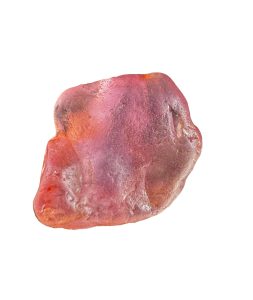
Have you ever seen a sunset in a stone? That's what a Ceylon Padparadscha Sapphire looks like! This special gem comes from Sri Lanka, once called Ceylon. "Padparadscha" means "lotus flower" in the local language, and the Padparadscha Sapphire's pretty pink-orange color looks just like one.
The History and Significance of Ceylon Padparadscha Sapphires
Cultural Importance in Sri Lanka
Ceylon Padparadscha Sapphires have been important in Sri Lanka for a long time. People think they bring good luck and health. The Padparadscha Sapphire is made of a mineral called corundum, just like regular sapphires. But it has a bit of chromium in it, which gives it its special color. It's also very hard - almost as tough as a diamond!
The best Padparadscha Sapphires have a perfect mix of pink and orange. Experts look at how bright and even the color is when they grade these gems. Some famous Padparadscha have been in royal jewelry. Princess Eugenie even has one in her engagement ring!
Where to Find Ceylon Padparadscha Sapphires
Major Sources: Sri Lanka, Madagascar, and Tanzania
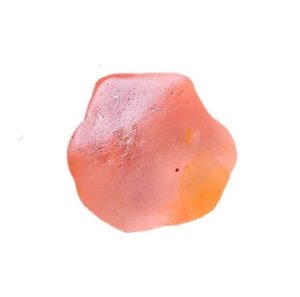
Most Padparadscha Sapphires come from Sri Lanka, but some are found in Madagascar and Tanzania too. They're very rare, which makes them expensive. The price of a Padparadscha Sapphire depends on the color, how clear it is, how it's cut, and how big it is.
Sometimes, people treat Padparadscha Sapphires to make them look better. Heat treatment is common and okay, but other treatments might lower the gem's value. If you want to buy a Padparadscha, make sure to get it from a trusted seller and ask for a certificate that proves it's real.
To keep your Padparadscha Sapphire looking great, clean it gently with warm soapy water. Be careful not to bump or scratch it. Don't wear it when doing rough activities.
The Investment Potential of Ceylon Padparadscha Sapphires
Why They're Considered a Smart Investment
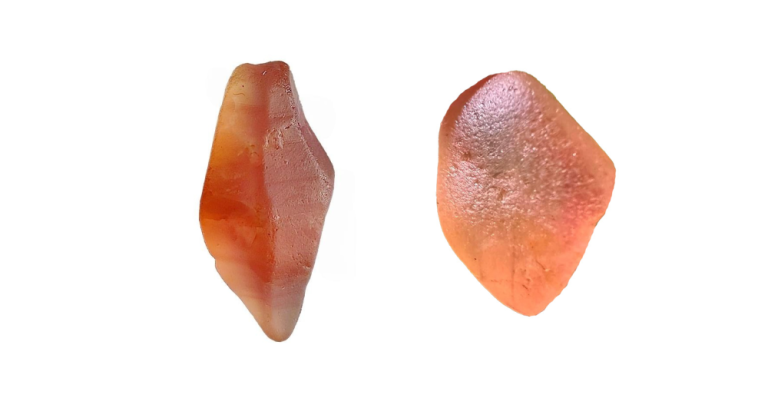
Many people think Padparadscha Sapphires are a good investment. They're becoming more popular, and there aren't many of them, so their value might go up over time. In the end, Padparadscha Sapphires are truly special. They're rare, beautiful, and have a rich history. Whether you want to wear one or collect it, this gem is sure to catch everyone's eye!
Here's an FAQ section for Padparadscha Sapphire with 5 commonly asked questions and detailed answers:
- Color: Look for a delicate balance of pink and orange hues.
- Origin: Ensure it comes with a certificate stating Sri Lankan (Ceylon) origin.
- Inclusions: Natural stones often have tiny imperfections visible under magnification.
- Fluorescence: Most natural Padparadschas don’t fluoresce under UV light. Always purchase from reputable dealers and consider getting an independent gemological assessment.
- Quality: Invest in high-quality stones with excellent color and clarity.
- Certification: Ensure the stone has proper documentation from recognized gemological laboratories.
- Market trends: Stay informed about the gem market and pricing fluctuations.
- Long-term view: These gems typically appreciate over time, so consider them a long-term investment. As with any investment, consult with experts and diversify your portfolio.
- Padparadscha: Can cost $20,000-$50,000+ per carat for fine specimens.
- Blue Sapphires: High-quality stones typically range from $1,000-$15,000 per carat.
- Yellow Sapphires: Usually $1,000-$3,000 per carat for top quality.
- Pink Sapphires: Can range from $2,000-$20,000 per carat for fine stones. Prices vary greatly based on quality, size, and market demand.
- Settings: Choose protective settings for rings worn daily.
- Activities: Remove the jewelry during rough activities or household chores.
- Cleaning: Clean gently with mild soap and warm water, avoiding harsh chemicals.
- Storage: Keep separate from other jewelry to prevent scratches. With proper care, these gems can be enjoyed regularly while maintaining their beauty.
- Creation: They’re made in laboratories to mimic natural stones.
- Properties: Synthetics have identical chemical and physical properties to natural stones.
- Cost: They’re significantly less expensive than natural Ceylon Padparadschas.
- Disclosure: Reputable sellers always disclose if a stone is synthetic.
- Value: Natural Padparadschas are more valuable due to their rarity and uniqueness. Always ask for full disclosure when purchasing and get a certificate specifying if the stone is natural or synthetic.
