
Buying Gemstones in Sri Lanka: How Tourists Can Avoid Common Gem Scams
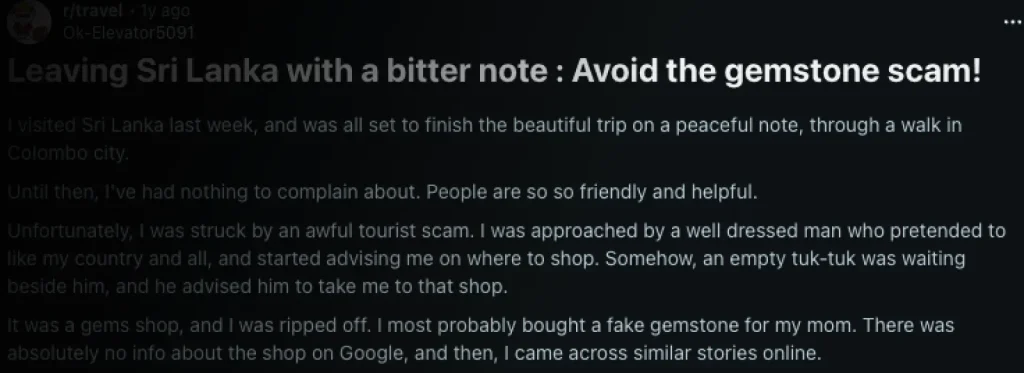
Recently, I saw a Reddit post where a tourist took a ride in Colombo. During the ride, the driver introduced a random stranger. That stranger convinced her to visit a gem shop, where she bought a stone for USD 100 as a gift for her mother. Later, she felt she had been trapped in a scam.
I’m not writing this to normalize scams. Every country has people like this. But as someone who works genuinely in the gem business, I felt responsible to explain how these situations happen and how you can avoid them.
Sri Lanka is one of the richest gem producing countries in the world. If we don’t protect the trust in this industry, we all lose locals, tourists, and serious gemstone buyers.
By the end of this article, you’ll understand:
- How gem scams actually happen
- Who is most at risk
- How to buy gemstones in Sri Lanka safely and confidently
Buying Gemstones in Sri Lanka: How Tourists Can Avoid Common Gem Scams
From my experience, I can roughly divide foreign buyers into three categories.
1. People Who Truly Know Gemstones
These are jewelers, gemologists, collectors, or investors. I’ve met many people like this. They come to Sri Lanka specifically for gemstones. They want to see mining areas, understand sourcing, and buy stones with full knowledge.
These buyers usually know what they’re doing. They ask for reports, understand pricing, and don’t rush decisions.
2. People Who Like Gems but Don’t Know Much
This is a very common group. They love gemstones, jewelry, and colors, but they don’t know technical details like treatments, origin, or pricing.
These buyers are not wrong they just need guidance.
3. People Who Get Interested After Visiting Sri Lanka 🛑
Sri Lanka has that effect. You come here, your guide explains our gem history, you see beautiful sapphires, spinels, and rubies, and suddenly you want to buy a stone as a memory or gift.
This is where things can go right or very wrong.
Guides, Gem Shops, and the Reality Tourists Should Know
When you visit Sri Lanka, you’ll almost always have a guide or driver. They usually explain Sri Lanka’s gem heritage and may take you to a gem shop.
Let me be honest here.
Yes, guides often get a tip or commission if you buy a gemstone. That’s part of the tourism flow, and it’s not a problem if it’s handled genuinely.
In places like Kandy and Colombo, there are many trusted and reputed gem and jewelry shops. At the same time, scammers also exist.
🛑 The biggest red flag?
👉 Never buy gemstones from someone who approaches you randomly on the street.
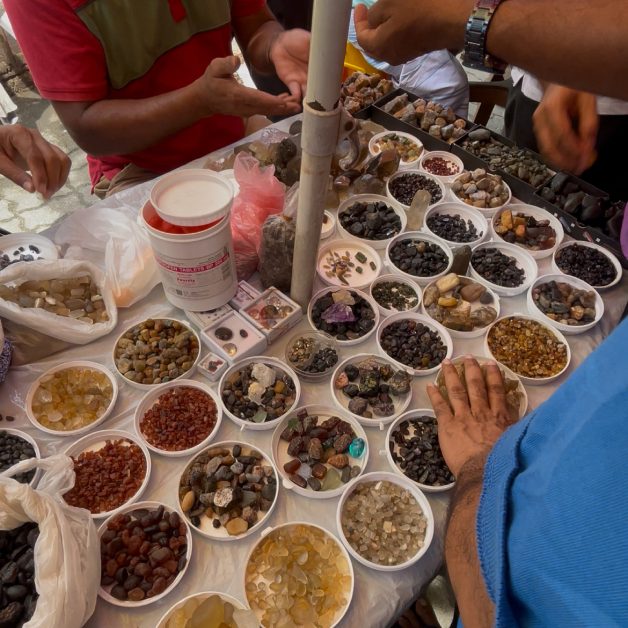
Common Gem Scams I’ve Seen in the Sri Lankan Market
Let me break down the most common scams based on real experience.
1. Overpriced Stones
This happens to locals too.
Gemstones don’t have a fixed price. Value depends on the 5 Cs:
- Color
- Clarity
- Cut
- Carat
- Certification
That alone doesn’t mean it’s a scam. The real issue is whether the stone is actually worth that price. This is why trust and reputation matter so much.
2. Selling One Stone as Another (Spinel Sold as Sapphire)
This happens often.
For example:
- Selling spinel but saying it’s sapphire
3. Artificially Treated Stones (X-Ray Treatment)
This is very important, especially for:
- Yellow sapphire
- Padparadscha sapphire
The problem?
- The color fades under sunlight
- The stone returns to its original color
- Light pink sapphires
- White sapphires
- Pastel yellow sapphires
👉 Always check color stability before buying.
4. Heated vs Unheated Confusion
There’s a big misunderstanding here.
Heat treatment is normal in the gem trade. Most sapphires are heated.But…
❌ Selling a heated stone as unheated without disclosure is fraud.
The price difference is significant.
Always ask:
- Is this heated or unheated?
- Is it mentioned in the report?
5. Synthetic Stones Sold as Natural
A Simple Rule I Always Tell Buyers ❤️
Do a small amount of research.
Ask questions.Get help from someone you trust.
Sri Lanka is a real gem country. We supply beautiful gemstones to the world. You can buy amazing stones here for jewelry, investment, or memories if you buy smart.
Frequently Asked Questions (FAQ)
1. Are gemstone scams common in Sri Lanka?
Scams exist, just like in any gem market worldwide. Most reputed gem shops in Sri Lanka are genuine. Problems usually happen when tourists buy from random people or unverified sellers.
2. Is it safe to buy gemstones through a tour guide?
Yes, if the shop is reputable. Guides receiving a commission is normal, but the transaction should still be transparent and fair.
3. How can I know if a gemstone is real?
Always ask for a recognized gem lab report and avoid street sellers. Trusted dealers will never hesitate to provide documentation.
4. Are heated gemstones bad?
No. Heat treatment is standard in the gem trade. The issue is not disclosing the treatment.
Final Thoughts 💎
I truly believe Sri Lanka deserves its reputation as a world-class gemstone source. Scams hurt everyone buyers and honest dealers alike.
If you come here with curiosity, patience, and a little knowledge, you can leave with something truly special.
If this article helped you, feel free to share it, leave a comment, or reach out. I’m always happy to guide people who genuinely love gemstones.
Thinking to Buy Gemstones Online?
We’re here to help you shop with confidence. Join our social media family for gemstone insights, updates, and authentic collections.

